
Social media reputation monitoring for executives is a security discipline, not a marketing metric. It uses AI-driven natural language processing, image recognition and network analysis to detect defamation campaigns, impersonation accounts, doxxing and coordinated bot activity as they form, then runs a four-stage protocol of detection, validation, escalation and remediation that ends in content removal.
Key facts
- Manual searches and basic keyword alerts miss sarcasm, visual threats and coordinated inauthentic behavior.
- Track security KPIs such as time-to-detect, threat severity score and impersonation account proliferation.
- The four stages are detection, validation by a human analyst, escalation by severity, and remediation.
- First takedown actions for clear platform violations often begin within 24 to 48 hours of validation.
Where ContentRemoval.com comes in. ContentRemoval.com pairs monitoring with the takedown capability that turns an alert into a resolved problem: platform escalations, DMCA notices, de-indexing and reupload suppression for executives, public figures and family offices. The principal’s security lead, chief of staff or general counsel usually opens the conversation. A free 15-minute Exposure Scan maps current threats and what is removable, and the report is theirs to keep. Get a Free, Confidential Exposure Scan or read how our reputation management work is done.
For executives and high-profile individuals, social media reputation monitoring is not a marketing exercise. It is a core security discipline, a digital shield against attacks that inflict real financial, professional, and personal harm. This is an intelligence-gathering operation designed to find and neutralize threats before they metastasize into a crisis.
Why Reputation Monitoring Is A Security Mandate

A primary anxiety for any public figure is losing control of their digital narrative. This is a valid concern. A single piece of negative content can spiral exponentially, amplified by research showing it attracts 63% more clicks than positive posts. The old public relations playbook cannot keep pace with the speed and malice of digital threats.
Reputation monitoring on social media must be reframed from counting likes or shares to a practice of proactive defense. To fully appreciate this strategy, one must understand what social media monitoring entails in a modern security context. It is the constant process of tracking conversations, analyzing sentiment, and actively managing perception. For leaders, this means transcending brand listening and entering the realm of active threat intelligence.
From Marketing Metric To Threat Intelligence
A marketing team may use brand listening to track general sentiment; that is their function. For an executive, monitoring demands a sharper focus: identifying and neutralizing specific security risks before they inflict damage. The objective is to detect malicious activity that could threaten personal safety, financial stability, or professional standing.
This encompasses serious threats such as targeted defamation campaigns built on falsehoods, impersonation accounts used to defraud contacts or spread disinformation, and doxxing or other privacy breaches involving the weaponized release of private information. It also includes the strategic deployment of false narratives to sway public opinion or manipulate stock prices.
According to a study by Weber Shandwick, a staggering 63% of a company’s market value is tied directly to its reputation. As an executive, your personal digital brand is inextricably linked to your company’s bottom line.
Leaving a digital footprint unmonitored is a significant liability. It renders you a target for attacks that can unfold in hours and cause damage that is difficult, if not impossible, to reverse. The only viable defense is a structured monitoring program tied directly to a decisive takedown capability. The application of this strategy for leaders is detailed in our guide to online reputation management for executives.
This approach provides the control and confidentiality that traditional public relations firms cannot guarantee. It shifts the posture from reactive to proactive, ensuring you, not an anonymous attacker, command your narrative and legacy.
Building Your Framework for Digital Threat Intelligence
Protecting an executive’s reputation online is not marketing. It is the construction of a digital threat intelligence framework, operating with the precision of a high-end corporate security system.
The monitoring tools are sensors placed at every digital entry point: social media platforms, forums, and the wider web. They do not count likes; they detect intrusions in the form of reputational threats. The entire goal is to transition from a reactive, damage-control mindset to a proactive, strategic one. One cannot afford to wait for a defamatory post to go viral before taking action.
The objective is to create an early warning system that flags and assesses risks before they can cause tangible financial or professional harm. This requires shifting focus from vanity metrics like follower counts toward security-focused Key Performance Indicators (KPIs).
Redefining Your Objectives and Metrics
In a professional monitoring program, success is not measured by engagement. It is measured by resilience and speed. The objectives are purely protective.
In practice, the core goals are early threat detection to catch negative content or impersonation accounts at inception; risk forecasting that uses sentiment analysis to predict flashpoints by determining if online chatter is mere noise or escalating in emotional intensity; and identifying coordinated inauthentic behavior to distinguish genuine criticism from a manufactured attack by bot networks or organized groups.
These goals must be grounded in data. A recent analysis of 9.3 million posts provides a sense of scale. Professional networks like LinkedIn now account for 11.6% of all posts, and with platforms like X (formerly Twitter) seeing average post impressions jump by 75.8% year-over-year, even a minor issue can explode into a global incident overnight. Rapid response is not just good practice; it is a financial necessity. Discover more social media activity trends and their impact on reputation.
An effective framework provides certainty by converting abstract threats into hard data. It replaces anxiety with a clear operational picture, allowing you to see, measure, and neutralize digital risks with precision and discretion.
Threat Monitoring Objectives and Key Performance Indicators
To determine if a monitoring program is effective, one must track metrics that reflect the security posture. This table outlines the strategic goals and the specific KPIs that measure success.
| Strategic Objective | Description | Primary KPI | Implication for Executives |
|---|---|---|---|
| Early Threat Detection | Identifying harmful content at its source before it gains traction. This is the first line of defense. | Time-to-Detect (TTD): The time between a threat appearing online and your system flagging it. | A low TTD is the single most critical factor in preventing a crisis. Minutes matter. |
| Threat Prioritization | Differentiating between low-level noise and high-risk threats that require immediate action. | Threat Severity Score: A rating assigned to each threat based on its content, source, and potential for virality. | Ensures resources are focused on what truly matters, preventing burnout from chasing every negative comment. |
| Containment Efficacy | Measuring the ability to stop the spread of negative content once it has been identified. | Negative Content Virality Rate: The speed and reach of negative mentions. | Shows whether your response is effectively containing the damage or if the threat is spiraling out of control. |
| Identity Protection | Actively defending against impersonation, brandjacking, and other forms of identity-based attacks. | Impersonation Account Proliferation: The number of new fake accounts detected and the speed of their removal. | A key indicator of how well your personal brand and identity are being protected from bad actors. |
By focusing on these metrics, you are no longer guessing. You are running a data-driven security operation designed to protect your most valuable asset: your reputation.
From Manual Searches to AI Sentinels: How We Spot Threats
Finding and neutralizing online threats is a function of detection methodology. The right approach can mean the difference between halting a smear campaign at its inception and performing damage control after a reputation is compromised. The methods range from rudimentary manual checks to advanced AI analysis, and their protective capabilities are worlds apart.
For any executive or public figure, manual review is a non-starter. This method, which involves an individual typing a name into a search bar and scrolling, is slow, prone to human error, and rife with blind spots. An attacker can launch a coordinated assault across a dozen niche forums and Telegram channels long before a manual check stumbles upon it. It is a formula for failure.
The False Security of Basic Automated Tools
The next level involves automated monitoring tools, which are essentially keyword trackers that scan for mentions of a name and attempt to assign a positive or negative sentiment. While a marginal improvement over manual searching, they possess critical flaws for protecting a high-profile individual.
These standard tools fail to comprehend nuance. They cannot reliably interpret sarcasm and context, often mislabeling a sardonic post as positive and missing the reputational attack. They cannot distinguish coordinated inauthentic behavior from genuine customer backlash when a sudden spike in negative mentions occurs. Their most significant blind spot is their inability to process visual threats; a defamatory meme, a screenshot of a leaked document, or an out-of-context video will bypass any text-based system. These tools generate substantial noise but little signal, creating a dangerous illusion of security while leaving clients exposed to sophisticated attacks.
AI-Driven Analysis: The New Benchmark in Threat Detection
Modern, security-focused reputation monitoring is powered by artificial intelligence. This is not mere keyword matching. It is a system that analyzes content with a depth that mimics, and often surpasses, a team of human analysts. It is the only truly viable defense against the complex threats leaders face online.
Think of an AI-driven system as a tireless intelligence analyst working for you 24/7. It is not just looking for your name; it is actively hunting for patterns, anomalies, and hidden connections that signal a threat is forming.
This advanced approach combines several powerful technologies. Natural Language Processing (NLP) dissects text to grasp its true intent, enabling the system to spot subtle venom in a seemingly innocent comment or differentiate a real complaint from a line in a coordinated disinformation script. A crucial part of this is applying proven methodologies for fake news detection to stop falsehoods from going viral.
Simultaneously, image recognition and visual fingerprinting constantly scan for visual threats. This is how we find a likeness being used in deepfakes, spot a company logo on a leaked document shared as a photo, or identify clips from a sensitive video, a critical function for halting privacy breaches.
Finally, network analysis integrates these functions by mapping the relationships between accounts. By seeing how information travels, the AI can pinpoint the source of a smear campaign, identify the botnets used for amplification, and unmask the actors running impersonation accounts. This is intelligence that automated tools cannot provide, and it allows us to not just find a threat, but to dismantle the entire operation behind it.
The Four-Stage Protocol for Taking Down Online Threats
Detecting a threat is the beginning. Neutralizing it demands a disciplined, methodical approach. A reactive response can inflict more damage than the initial attack. A professional workflow moves with purpose through four distinct stages: Detection, Validation, Escalation, and Remediation. This is a battle-tested process that transforms the chaos of an online crisis into a controlled operation.
It begins with Detection: the moment systems flag a potential threat. This initial alert is triggered by sophisticated monitoring that runs 24/7 across social media, forums, and the deeper web, a significant advancement over manual searches.
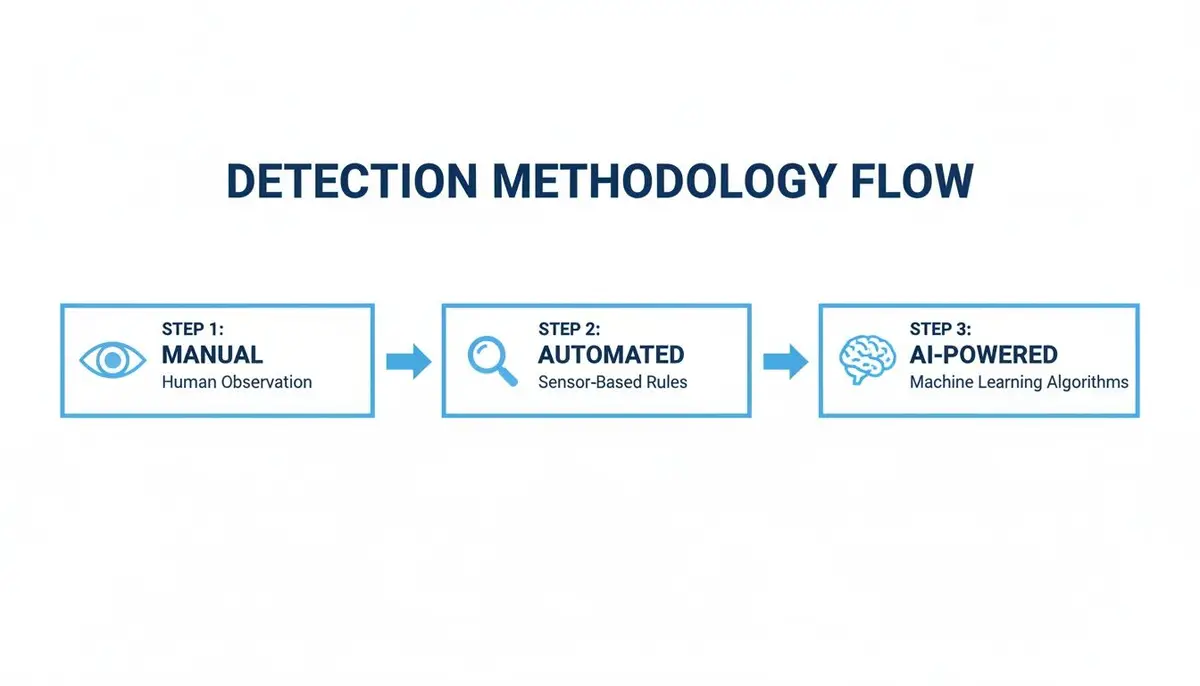
Basic automated rules are an improvement over manual searching, but they are blind to nuance. Only AI-driven analysis possesses the power to understand context, spot visual threats like manipulated photos, and uncover the patterns of a coordinated attack.
From Alert to Action Plan: Validation and Escalation
Once an alert is triggered, it immediately enters the Validation stage. This is a crucial human checkpoint where an experienced analyst determines the threat’s authenticity. They separate genuine threats from false positives, confirm the content’s legitimacy, and assess its potential impact. This step is vital for preventing overreactions and focusing resources effectively.
After a threat is confirmed, it proceeds to Escalation. Here, the problem is assigned a severity score, akin to a hospital’s triage system. A defamatory tweet from an anonymous account with five followers is a low-level concern; a sensitive document leaked by a well-known journalist is a code-red emergency. The threat is scored based on the platform, its viral potential, and the nature of the attack: defamation, privacy breach, or other. This score dictates the speed and nature of the response.
The Final Step: Remediation
The final stage is Remediation, where decisive action is taken. This is where professional intervention proves its worth. It involves deploying a specific strategy from a toolkit of proven solutions.
Remediation actions include platform takedowns, where we file for removal based on violations of Terms of Service for clear-cut cases of harassment or impersonation. Legal interventions, such as a DMCA (Digital Millennium Copyright Act) notice, can be used to force the removal of stolen intellectual property like an unauthorized photo. For complex issues like defamation, a cease and desist letter from legal counsel may be the next step. For the most persistent threats, specialist removal services like ContentRemoval.com are indispensable, using proprietary methods to de-index search results and secure permanent removal at the source.
Reputational threats have immediate and very real financial consequences. Effective social media reputation monitoring and remediation are no longer about PR. They are about protecting the bottom line.
The stakes are higher than ever. With TikTok engagement growing 45% year-over-year and LinkedIn comments jumping 37%, the platforms that build careers are also the most volatile. A single negative story can ricochet across a user base of 316 million in the U.S. alone, where 73% of consumers admit to switching brands after seeing a poor social media response.
The ability to secure removal of damaging content within 24-48 hours is not a convenience; it is a direct defense against this risk. You can dig into the latest social media benchmark trends and their reputational impact. This four-stage protocol provides the framework needed to navigate this environment with confidence.
High-Stakes Scenarios and Their Strategic Responses
Theory is one matter; a crisis demands a battle-tested game plan. The anxieties of a targeted CEO, celebrity, or brand are unique, and generic solutions are inadequate. The following three common scenarios illustrate how professional intervention can convert a potential catastrophe into a controlled, decisive resolution.
In each case, the key is an advanced social media reputation monitoring system integrated with a rapid response team. The objective is not merely to react but to get ahead of the problem and dismantle threats with precision and discretion.
The CEO Facing a Disinformation Campaign
A CEO is suddenly inundated with defamatory posts on X (formerly Twitter) and LinkedIn. A fabricated story about financial misconduct goes viral, and negative mentions skyrocket by 3,000% in under an hour. A basic brand listening tool would only flag a dip in sentiment, offering no actionable intelligence. Our AI-driven system, however, instantly recognizes the patterns of a coordinated, inauthentic attack.
The system’s network analysis reveals the comments originate from a cluster of new bot accounts with zero followers, all sharing the same article from a newly registered, unknown blog. This is not a PR issue; it is a deliberate disinformation campaign, likely designed to manipulate the stock price or orchestrate a forced leadership change.
This is where a professional protocol diverges from standard practice. We do not just click the ‘report’ button. We go straight to our established contacts at the social media platforms, armed with forensic evidence of the bot network and its coordinated behavior, a clear violation of their platform integrity policies.
Simultaneously, our legal team files an expedited de-indexing request with search engines to neutralize the source article. By cutting off the attack’s oxygen supply, we nullify the threat. Within hours, the bot accounts are suspended, the posts vanish, and the defamatory article is scrubbed from search results. The campaign is stopped before it can reach the mainstream media or impact the market.
The Public Figure Targeted by a Content Leak
A public figure’s private, sensitive photos have been stolen and are spreading across Telegram, Reddit, and illicit file-sharing sites. This is a profound personal violation and a direct threat where the only acceptable outcome is complete eradication of the content.
This situation highlights the criticality of visual monitoring. Our system uses proprietary visual fingerprinting to scan for the leaked images everywhere. It finds not just the original posts but also screenshots, cropped versions, and reuploads across hundreds of platforms, including the dark web.
The response is immediate and multi-pronged. We deploy a barrage of DMCA takedown notices based on copyright ownership of the images. We also report the content directly to platforms for violating policies against nonconsensual intimate imagery (NCII). For uncooperative sites, we leverage deep industry relationships and technical expertise to secure removal where others fail. Continuous monitoring is then activated to catch and eliminate any reupload attempts, ensuring the content remains down. This is a severe form of online harassment; learn more about protection from cyber abuse in our comprehensive guide.
The Family Office Compromised by an Impersonation Account
A family office discovers a fake social media profile impersonating its principal. The imposter is contacting business associates, attempting to phish for sensitive financial information and destroying long-standing relationships. The risk combines potential financial fraud with devastating reputational harm.
Our monitoring system flags the new account within minutes of creation, alerted by the name, similar profile picture, and biographical details. Our validation team immediately confirms its fraudulent nature, triggering the escalation protocol.
Instead of waiting in the general public’s reporting queue, a process that can take days or weeks, we use our direct, prioritized channels reserved for high-level security partners. We provide indisputable evidence of the impersonation, and the fake account is typically taken down in hours, not days. We then establish a permanent monitoring query to instantly detect any future impersonation attempts, shutting them down before a single message can be sent. This proactive defense secures the family office’s identity.
Turning Monitoring into Action: The Takedown Connection

A world-class monitoring system is an early warning; without a crew at the helm, it cannot avert disaster. Spotting a threat is only half the battle. Real protection comes from having a skilled team ready to act decisively on that intelligence.
This is the crucial link many overlook in social media reputation monitoring. An AI-driven alert system is powerful, but its direct connection to a content removal team transforms passive awareness into an active defense. This integrated approach provides the control that high-profile individuals and brands require.
From Alert to Action
When a validated threat (a defamatory post, a corporate leak, or an impersonator) is detected, the information is not left to stagnate in a dashboard. It is immediately triaged and handed off to specialists who are experts in content takedowns.
There is no lag time. The monitoring data provides the “what” and “where,” and the takedown team already has the “how.” The moment a damaging story begins to gain traction, they are already building the case for its removal.
The simple truth of modern reputation defense is this: detection without a clear path to removal is just organized anxiety. An integrated system lets you move from knowing there is a problem to actively solving it, often before it escalates.
Why an All-in-One Service is Non-Negotiable
Managing digital defense with separate, disconnected tools creates vulnerabilities. A specialist firm that combines intelligent detection with proven legal and technical removal expertise closes these gaps. This is especially true on platforms designed for explosive virality.
Consider TikTok, where engagement rates recently hit 3.70%: a massive 49% jump in just one year. As detailed in the 2026 Social Media Benchmarks report, content there can spread with extreme velocity, making a rapid, coordinated response essential.
An integrated service executes real-world actions, from issuing platform takedowns and DMCA notices to deploying advanced strategies for suppressing or de-indexing harmful results. To see how this works in practice, check out our guide on how to remove negative content from Google search.
This is not about purchasing software; it is about engaging a strategic partner to protect your most valuable asset. By linking real-time intelligence with decisive action, you gain true control over your digital narrative and safeguard your reputation with precision.
Frequently Asked Questions
When executives and public figures first explore professional social media reputation monitoring, several key questions consistently arise. The digital threat landscape can be overwhelming; these direct answers are based on real-world experience.
How Is Professional Monitoring Different From Brand Listening Tools?
The distinction is critical. Brand listening tools function as a marketing radar, tracking mentions and sentiment to measure campaign performance. Their focus is on opportunity.
Professional reputation monitoring is a security detail. It does not seek marketing insights; it actively hunts for specific threats. We deploy sophisticated AI to spot impersonator accounts, find leaked private information, detect doxxing attempts, and uncover coordinated disinformation campaigns. It operates across the entire web (clear, deep, and dark) to find problems before they find you.
The core difference is intent. Brand listening asks, “What are people saying about us?” Professional monitoring asks, “Is anyone trying to harm us?” This shift from a marketing to a security mindset is fundamental to protecting high-profile individuals.
What Is the Timeframe from Threat Detection to Remediation?
For serious threats, speed is paramount. With a specialist firm, the process is built for rapid response. Detection occurs in real-time, and a human expert typically validates the threat within hours.
From there, the first wave of action, such as filing a takedown notice for a clear platform violation, often begins within 24-48 hours. While more complex legal challenges or de-indexing content from search engines can take longer, the immediate goal is containment. Swift action prevents a problem from going viral and escalating into a full-blown crisis.
Can Monitoring Prevent Negative Content from Appearing?
No service can physically prevent someone from posting harmful content. That is not the objective.
The power of a continuous monitoring and takedown system lies in creating a strong deterrent. Its primary function is to ensure that when malicious content does appear, it is found and removed so quickly that it never gains traction or reaches a wide audience.
By combining constant vigilance with rapid removal, you neutralize impact. Over time, bad actors learn you are not an easy target and move on. It is about building a protective shield that ensures your digital narrative remains under your control.
Where Do Different Types of Threats Usually Appear?
Not all social platforms carry the same risk. Each has its own ecosystem, user base, and common threat vectors. Understanding this topography helps focus monitoring efforts for maximum impact. Here is a breakdown of the risk profiles for major platforms.
Platform Risk Profile Comparison
| Platform | Primary User Base | Dominant Content Format | Key Reputational Risk | Monitoring Priority |
|---|---|---|---|---|
| X (Twitter) | Journalists, Politicians, Industry Leaders | Short-form text, links, quick video | Disinformation, Impersonation, Public Confrontations | High |
| Instagram/Threads | General Public, Influencers, Brands | Images, Short Video (Reels), Stories | Phishing Scams, Impersonator Accounts, Image-based Harassment | High |
| Broad demographic, Community Groups | Text, Photos, Video, Links | Doxxing in private groups, Defamation, Scams | High | |
| TikTok | Gen Z, Millennials | Short-form vertical video | Viral Misinformation, Defamatory Trends, Impersonation | Medium to High |
| Professionals, B2B Executives | Text posts, Articles, Professional Profiles | Executive Impersonation, Recruitment Scams, Professional Smear Campaigns | Medium | |
| Niche & Anonymous Communities | Text posts, Memes, Links | Harassment Campaigns, Leaks in Subreddits, Doxxing | Medium |
This landscape awareness allows us to anticipate threats. For example, a fake executive profile attempting to scam job applicants is far more likely on LinkedIn than on TikTok. This intelligence is key to an effective monitoring strategy.
Protecting your digital presence requires more than awareness; it demands decisive, expert action. At ContentRemoval.com, we merge advanced monitoring technology with a proven, results-driven takedown process to defend your reputation.
If you are concerned about threats to your digital integrity, schedule a confidential assessment today and get a clear plan of action.