Removal support for talent managers
Your talent comes to you first when something appears online, and the clock starts immediately. You need the takedown handled by people who do it every day, and you need to stay the person your client is speaking to while it happens.
Fake pages and impersonation accounts
Copycat profiles sell fake meet and greets, run giveaway scams and take payments from fans in your client's name. Impersonation breaches every major platform policy, so these are among the faster removals when the filing is built properly. See <a href="/remove-fake-facebook-page">removing a fake Facebook page</a>.
Leaked and stolen content
Paid content, private images and unreleased material get mirrored across forums, Telegram channels and scraper sites within hours. We work the source, the mirrors and the search results together, and keep sweeping afterwards because reuploads are the norm rather than the exception.
Staying the client's single point of contact
You do not want your talent building a relationship with a vendor. We work behind your agency, report to you in a form you can pass on under your own brand, and never contact your client directly unless you ask us to.
What clients say

Kayla Itsines
Founder, Sweat.com · Brand Protection
"Frankie & his team at Content Removal relentlessly protected our brand in the 7 years leading up to our first exit."
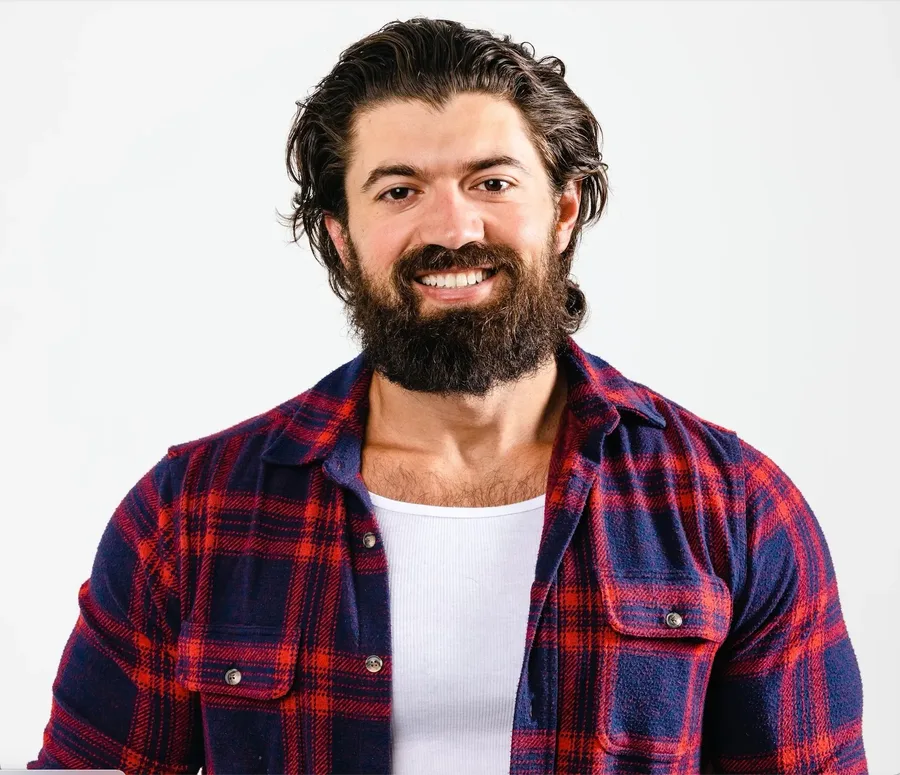
Alex Hormozi
Acquisition.com · Brand Protection
"These fake accounts not only diluted my brand presence but also risked misleading my vast follower base with counterfeit information... Content Removal removed these accounts in days."
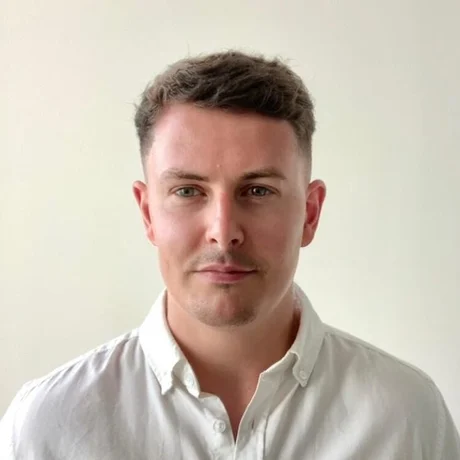
William Brown
BuildGrowAndExit.com · Brand Protection
"I spent a lot of money on some complex problems we were trying to solve, and nobody could fix them. We'd almost given up."
How we protect you
Image & Video Removal →
Take the next step towards removing harmful images and videos. We assess the source, known copies and search exposure, t…
Instagram →
Impersonators, stolen content, harassment in comments and DMs screenshotted into posts. Instagram moves when you file it…
TikTok →
A TikTok about you can hit a million views before lunch. Speed of filing matters more here than on any other platform.…
Copyright Enforcement →
Your content, courses, photos and products, republished without permission. Copyright law gives you the hammer; we swing…
Reputation Monitoring →
Alerts without action are just anxiety on a schedule. Our monitoring feeds a removal team, when something surfaces, fili…
Common questions
Key facts for talent managers and influencer agencies
Instagram, TikTok, YouTube, Meta and X all publish impersonation policies, and every one of them allows an authorized representative to act for the person being impersonated.
Paid content, unreleased material and a creator's own photographs are works the creator owns, which is the strongest position a roster client can be in.
YouTube operates a privacy complaint process that is separate from its copyright process, and it covers a person being identifiable in a video without consent.
Non consensual intimate image removal is treated as a priority category by the major platforms and by Google.
TikTok's Community Guidelines prohibit bullying and harassment, which reaches videos no court would ever order removed.
Reddit's content policy prohibits sharing intimate images without consent and prohibits posting personal information, both of which reach leak threads.
A white label engagement means reporting is delivered in a form your agency can forward under its own brand, with no direct contact with the talent.
What actually lands on a talent manager's desk
It arrives as a message from the client, usually late, usually with a screenshot and no URL. From there it is normally one of four things. Impersonation, where a copycat account runs fake giveaways, sells fake meet and greets or takes deposits from fans. A leak, where paid or private material is mirrored across forums, Telegram channels, scraper sites and file hosts within hours. A targeted video, where a commentary channel or a TikTok account builds content around your client by name. Or a coordinated pile on, where a single post turns into a wave of quote posts, duet videos and reaction content across three platforms in a day.
The second problem is operational. Your client wants to know what is happening every hour, and you need to be the person telling them. Handing them to a vendor damages the relationship you are paid to hold, and it also means the client hears technical answers without context. Everything we do can be structured so that the reporting reaches you and you brief your client in your own words.
The third problem is scale. An agency with a roster does not have one matter, it has a rolling series of them, and the ones that get expensive are the ones that waited three days for a decision about who was paying.
What do the platform rules say about impersonation and leaks?
Impersonation is prohibited outright by Meta, Instagram, TikTok, YouTube and X. There is little for anybody to argue about, which is why it is among the faster categories, and also why it is so often handled badly by the fan who reported it first with no evidence behind it.
Leaks sit under ownership and privacy at the same time. The DMCA gives hosts in the United States a formal process they are expected to operate, the major platforms run priority paths for intimate material, and in many jurisdictions there is criminal law behind it as well, including image based abuse offenses in the United Kingdom and Australia and state level laws across the United States.
For harassment, the platform rules go further than most national law. TikTok's Community Guidelines and Instagram's bullying policies prohibit targeted abuse, degrading content and coordinated pile ons, and Reddit's content policy prohibits harassment and posting personal information. That means a video which no court would order removed can still breach the rules of the platform hosting it. What none of it reaches is commentary, criticism, drama channel discussion that uses short clips lawfully, or a fan account that is clearly labeled as one.
What we need from you to start
For the scan: the client's handles across platforms, their real name if privacy routes may apply, and any links you already have. We will find the mirrors.
For live work: written authority to act for the talent, naming the accounts and the person. Proof of ownership for any material we are claiming, which for creator content usually means originals with metadata or the account showing first publication. For impersonation, the authentic account details and often identity documentation for the person being impersonated. For privacy and intimate image matters, confirmation of who is in the material and that no consent to publish was given. For anything you say is false, the exact wording and dated captures showing the URL.
We also need a decision on contact. Tell us at the start whether we speak to your talent at all, or whether everything routes through you. We default to the second unless you say otherwise.
Timelines and what usually happens first
The scan is written up within a few business days, and for a live leak we start on the urgent items straight away rather than waiting for the document.
Beyond that, timelines depend on the route and the platform, and they are set out in writing once the links are known. We do not promise timelines or outcomes, because platforms decide their own cases. We do tell you which items look straightforward, which will need repeat work and which we think will not move, so you can brief your client honestly rather than optimistically.
Common mistakes that make this harder
Telling the client to post about it. A statement to the audience turns a contained problem into an event and multiplies the reuploads. If a statement is genuinely needed, make it after the work is under way, not before.
Mass reporting by the fanbase. Coordinated reports from hundreds of accounts are detected as brigading, they weaken the credibility of the accurate report, and on some platforms they make an automated review harder to escalate.
Treating a commentary video as theft. Beyond the dispute that follows, the attempt itself becomes the subject of the next video, and the reach is far larger.
Losing the evidence. Screenshots without URLs and timestamps are close to useless, and clients routinely block the account and delete the message thread before anyone captures it. Capture first, block second.
Waiting for the client to decide who pays. In a live leak the first hours decide how far it spreads, and a standing arrangement across the roster is what removes that delay.
How this works alongside your legal, PR and platform teams
Where the talent has a lawyer, we take instruction from them on anything that might become a claim, and we are used to working under a firm's direction. Where you have a publicist, we tell them which URLs are being pursued so nothing is briefed as settled while it is still live. Where a brand partner is involved and asking questions, we can provide a plain record of what was published and what has been removed for their file, without commentary.
For agencies with a roster we usually run standing coverage so that a new matter can begin the same day without a fresh approval loop. That is also what makes proactive sweeping possible, which is where most of the value sits in this sector.
The whole engagement can be white labeled. Reporting comes to you in a form you can forward under your own brand, we take no public credit, and we do not contact your talent unless you ask us to. Our white label content removal page and partner program set out how that works, and we sign your NDA or provide ours as standard.
Who makes first contact and what the 15-minute call covers
It is normally you, or someone on your talent team, and often at an awkward hour. Occasionally it is the creator directly, in which case we will ask whether they have a manager and whether you should be on the call, because keeping you in the middle is usually better for everyone.
On the 15-minute call we get the URLs, work out which category each item is in, and tell you which ones we would start on today, which need evidence from your client first, and which are going to stand. If the material is intimate or the client is distressed, we handle it as a priority matter and we say plainly what the realistic picture is rather than what you would like to hear.
Fees are discussed on the call and confirmed in writing after the free Exposure Scan, once we know the link count. Agencies with an ongoing roster usually move to standing coverage after the first matter. Our process page describes each stage.
Can this be white labelled under our agency?
How quickly can leaked content come down?
One of our creators is being targeted by a video that names them. What are the options?
Do you work per matter or on a retainer?
Start with a free, confidential Exposure Scan
We'll scan your digital footprint, show you exactly what's exposed, and recommend the fastest path to remove it, or tell you honestly if you don't need us.
Book Your Assessment