

An online rep management agency intervenes directly where a PR firm cannot: removing harmful content through copyright, privacy, defamation, and terms of service routes, de-indexing URLs from search engines, suppressing what cannot be removed, and monitoring for new threats. The work follows a four-pillar framework of assess, remove, suppress, and protect, grounded in platform-specific procedure and legal knowledge.
Key facts
- Four-pillar framework: assess the footprint, remove harmful content, suppress what remains, protect through monitoring
- Legal pathways: DMCA copyright, GDPR and CCPA privacy rights, defamation statutes, and platform terms of service
- Red flags: promised rankings, fully automated services, upfront full payment, no references, and pressure tactics
- First 72 hours: assess by hour 6, file removals by hour 24, monitor and suppress through hour 72
Where ContentRemoval.com comes in. ContentRemoval.com is a removal-first agency: direct takedowns and de-indexing across search engines, websites, and social platforms, run case by case rather than through automated tooling. Founders, executives, physicians, and law firm partners usually make contact themselves or through counsel once a negative result has started affecting funding, hiring, or client acquisition. A free 15-minute Exposure Scan maps what is removable, and the report is yours to keep. Get a Free, Confidential Exposure Scan or read how our content removal work is done.
In 2026, your digital reputation determines business outcomes more than ever before. A single negative search result can cost executives their dream job, destroy startup fundraising efforts, or drive away millions in potential revenue. This reality has created unprecedented demand for specialized firms that can actively manage, protect, and repair online reputations through strategic intervention. An online rep management agency serves as both shield and sword, defending clients against harmful content while proactively building positive digital narratives that withstand scrutiny. These agencies combine legal expertise, technical capabilities, and strategic communications to address reputation threats that traditional PR firms cannot handle.
Understanding the Modern Reputation Management Landscape
The digital ecosystem has evolved into a complex network where information spreads instantly and permanently. Search engines index millions of pages daily, social media amplifies both positive and negative narratives, and reputation attacks can originate from anywhere in the world. Traditional damage control methods no longer suffice when facing coordinated smear campaigns, revenge content, or algorithmic amplification of isolated incidents.
An online rep management agency operates at the intersection of technology, law, and strategic communications. These firms understand the technical architecture of search engines, the legal frameworks governing content removal, and the psychological dynamics that drive online perception. Unlike conventional PR agencies that focus on press releases and media relationships, reputation management agencies engage in direct intervention-removing harmful content, suppressing negative results, and constructing resilient digital identities.
The Scope of Reputation Threats in 2026
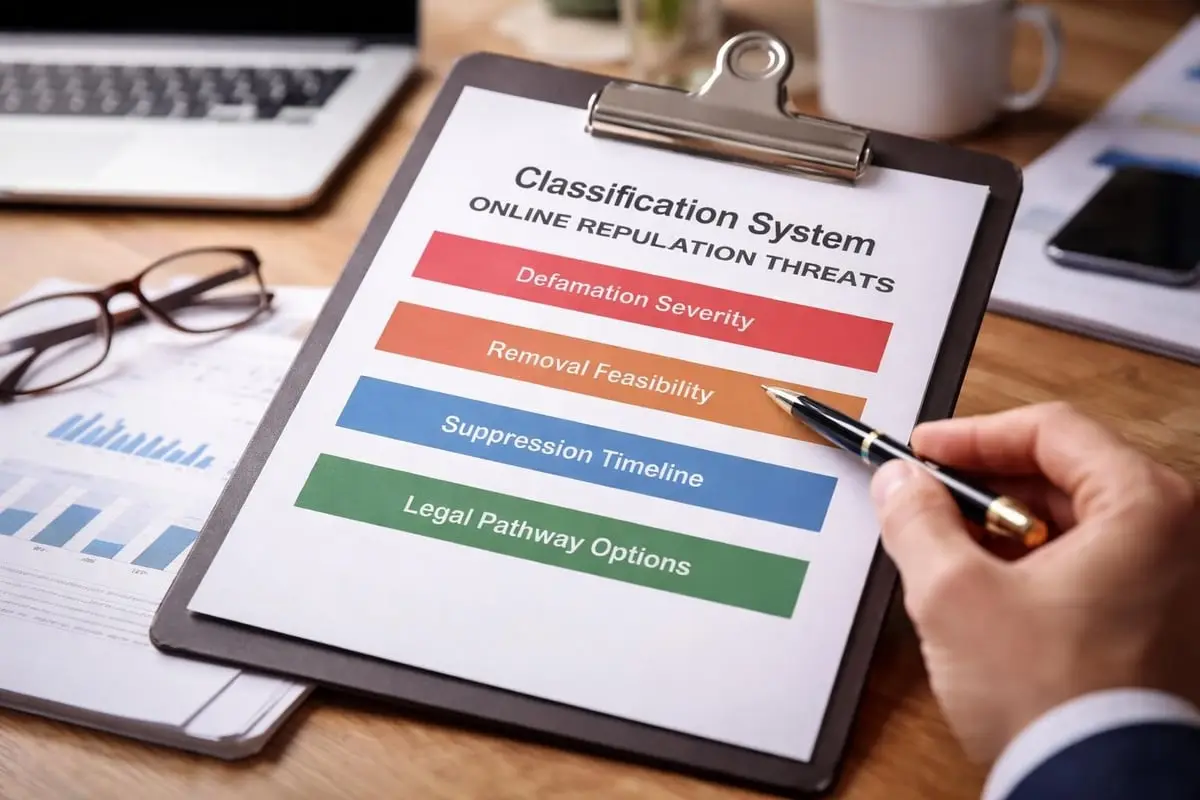
Modern reputation threats span multiple categories, each requiring specialized approaches:
- Defamatory content published on news sites, blogs, and complaint platforms
- Privacy violations including doxxing, leaked personal information, and unauthorized images
- Professional sabotage from competitors, disgruntled employees, or business rivals
- Explicit or intimate content shared without consent
- Outdated information that no longer reflects current reality but damages perception
- Search engine associations through autocomplete suggestions and related searches
The financial impact of these threats has grown exponentially. Studies show that 90% of consumers research businesses online before making purchase decisions, and 86% hesitate to engage with companies that have negative search results. For executives, a single negative article appearing in top search results can derail career advancement, partnership opportunities, and personal relationships.
Core Services Provided by Reputation Management Agencies
Professional reputation management encompasses far more than simple monitoring. A comprehensive online rep management agency delivers multi-layered services designed to address both immediate crises and long-term reputation resilience.
Content Removal and Takedown Strategies
Direct content removal represents the most effective solution when legally and technically feasible. Agencies leverage multiple pathways to secure permanent takedowns, including copyright claims, privacy law provisions, terms of service violations, and defamation statutes. The Content Removal service helps individuals and businesses permanently remove harmful content through direct engagement with platforms and publishers.
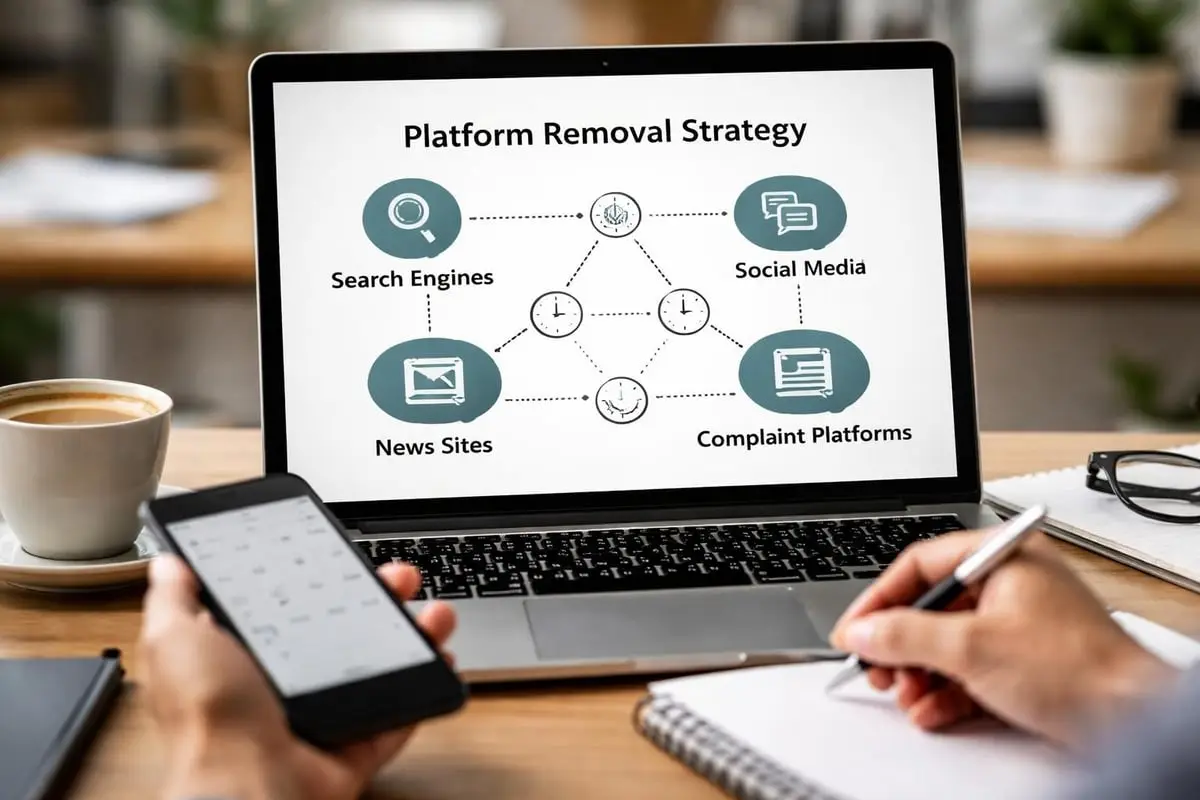
Successful removal requires understanding platform-specific procedures, legal jurisdictions, and technical escalation paths. Different platforms respond to different frameworks-what works for Google differs from Facebook, and social media takedowns follow different protocols than traditional publisher removals.
| Removal Method | Success Rate | Timeline | Best For |
|---|---|---|---|
| Copyright DMCA | 85-95% | 7-14 days | Unauthorized image/video use |
| Privacy violations | 70-85% | 14-30 days | Personal information exposure |
| Defamation legal | 60-75% | 30-90 days | Provably false statements |
| Terms of service | 50-70% | 7-21 days | Platform policy violations |
Search Engine Suppression and De-indexing
When direct removal proves impossible, suppression strategies push harmful content beyond the critical first page of search results. This approach combines technical SEO expertise with content creation, link building, and search engine relationship management. Agencies create and optimize positive content that outranks negative results, effectively burying damaging material where few searchers will encounter it.
De-indexing represents another powerful tool in the reputation management arsenal. Through legal requests, technical protocols, and strategic interventions, agencies can remove harmful URLs from search engine indexes entirely. This proves particularly effective for removing outdated content that violates right-to-be-forgotten provisions or contains privacy violations.
Proactive Monitoring and Crisis Response
Continuous monitoring enables early detection of reputation threats before they escalate. Advanced agencies deploy sophisticated monitoring systems that track:
- Search engine results across all major platforms for client names and associated terms
- Social media mentions including tagged content, comments, and indirect references
- New content publication across news sites, blogs, forums, and complaint platforms
- Domain registrations that might indicate planned attack sites
- Image and video appearances through reverse image search and video fingerprinting
Early detection transforms potential crises into manageable incidents. When harmful content appears, immediate response protocols activate, often securing removal or suppression before the content gains search engine visibility or social traction.
Technical Capabilities That Define Professional Agencies
The most effective online rep management agency combines legal knowledge with technical sophistication. Technical capabilities separate competent agencies from exceptional ones, particularly when addressing complex removal scenarios or persistent attackers.
Search Engine Relationship Management
Professional agencies maintain direct relationships with search engine legal and policy teams. These relationships enable expedited review of removal requests, clarification of policy interpretations, and escalation of complex cases. Google, Bing, and other search engines provide formal channels for reporting policy violations, but knowing how to navigate these systems effectively requires experience and established credibility.
Understanding search engine algorithms also proves critical for suppression strategies. Search ranking factors change regularly, and agencies must adapt tactics to maintain effectiveness. The comprehensive guide to removing negative content from Google outlines step-by-step approaches that professional agencies employ for various content types.
Platform-Specific Removal Expertise
Each digital platform operates under unique policies, procedures, and technical architectures. What constitutes a valid removal request on Facebook differs substantially from YouTube, Twitter, or LinkedIn. Professional agencies maintain platform-specific expertise, understanding:
- Internal escalation paths and contacts
- Policy interpretation nuances
- Technical submission requirements
- Average response times and follow-up protocols
- Appeals processes when initial requests fail
This specialized knowledge dramatically increases removal success rates compared to individual attempts or generalist approaches.
Strategic Frameworks for Reputation Protection
Effective reputation management requires more than tactical responses to individual threats. Leading agencies implement comprehensive strategic frameworks that address root causes, prevent future attacks, and build long-term reputation resilience.
The Four-Pillar Reputation Framework
- Assess: Comprehensive audit of current digital footprint, identifying vulnerabilities and existing threats
- Remove: Direct takedown of harmful content through legal, technical, and strategic means
- Suppress: Strategic content creation and optimization to control search results
- Protect: Ongoing monitoring, brand building, and defensive positioning
This framework ensures coordinated action across multiple fronts rather than isolated tactical responses. Each pillar supports the others-removal efforts reduce the volume of content requiring suppression, while protection measures prevent new threats from emerging.
Legal Foundations for Content Removal
Understanding legal frameworks underpinning content removal separates professional agencies from amateur operators. Key legal pathways include:
Copyright law provides robust protection for unauthorized use of images, videos, and written content. The Digital Millennium Copyright Act (DMCA) in the United States and similar frameworks globally enable rapid takedowns when copyright ownership can be established.
Privacy laws have expanded significantly, with regulations like GDPR in Europe and CCPA in California granting individuals substantial control over personal information. These frameworks enable removal of content containing private information, outdated personal data, or unauthorized biographical information.
Defamation statutes vary by jurisdiction but generally protect against provably false statements that cause reputational harm. While defamation-based removal proves more challenging than copyright or privacy claims, it remains viable for clearly false and damaging content.
Platform terms of service create contractual obligations that platforms must enforce. Content violating harassment policies, impersonation rules, or community guidelines becomes removable regardless of legal status in traditional frameworks.
Selecting the Right Reputation Management Partner
The reputation management industry includes both highly professional agencies and questionable operators who overpromise and underdeliver. Choosing the right reputation management service requires careful evaluation of capabilities, ethics, and track record.
Critical Evaluation Criteria
When assessing potential agencies, prioritize these factors:
- Transparency in methods: Legitimate agencies explain their approaches clearly and avoid promising guaranteed outcomes
- Legal compliance: All tactics should operate within legal and ethical boundaries
- Relevant experience: Request case studies demonstrating success with scenarios similar to yours
- Technical capabilities: Ensure the agency possesses genuine technical expertise, not just marketing services
- Communication standards: Professional agencies provide regular updates and maintain clear communication protocols
Avoid agencies that guarantee specific outcomes, use black-hat SEO tactics, or create fake positive content. These approaches often backfire, creating additional reputation problems while failing to address underlying issues. The guide to reputation management best practices outlines ethical approaches that deliver sustainable results.
Red Flags and Warning Signs
Certain indicators suggest an agency lacks professionalism or uses questionable methods:
| Warning Sign | Why It Matters | Alternative to Seek |
|---|---|---|
| Guaranteed rankings | No agency controls search algorithms | Realistic success probability estimates |
| Automated services | Reputation work requires customization | Case-managed, personalized approach |
| Upfront full payment | Suggests potential fraud | Milestone-based payment structures |
| No client references | Indicates limited success or confidentiality issues | Verified testimonials or case studies |
| Pressure tactics | Professional agencies don’t rush decisions | Consultative approach with clear timelines |
Cost Structures and Investment Considerations
An online rep management agency typically operates on premium pricing models reflecting the specialized expertise, legal knowledge, and time investment required. Understanding cost structures helps set appropriate expectations and budget allocation.
Pricing Models in 2026
Reputation management pricing varies substantially based on case complexity, content volume, and required services:
Monthly retainer models range from $3,000 to $25,000+ monthly for comprehensive ongoing protection, monitoring, and suppression work. This model suits executives, public figures, and companies requiring continuous reputation management.
Project-based pricing applies to specific removal or suppression campaigns, typically ranging from $5,000 to $50,000+ depending on content volume, platform complexity, and legal requirements. Single-item removals may cost less, while comprehensive campaigns addressing multiple platforms and numerous content pieces command premium pricing.
Crisis response services operate on emergency pricing, often requiring immediate engagement fees of $10,000 to $100,000+ for rapid response to breaking reputation crises, coordinated attacks, or viral negative content.
Return on Investment Calculations
Reputation management costs appear substantial until compared against the financial impact of unmanaged reputation damage. Consider these scenarios:
- A CEO whose negative search results derail a $200,000+ annual salary opportunity
- A startup founder unable to secure Series A funding due to damaging articles
- A professional whose practice loses $50,000+ annually in client acquisition costs
- An individual whose personal relationships suffer from privacy violations or explicit content
The investment in professional reputation management typically represents a fraction of the financial, professional, and personal costs of unaddressed reputation damage.
Industry-Specific Reputation Challenges
Different industries face distinct reputation management challenges requiring specialized approaches. An experienced online rep management agency adapts strategies to industry-specific dynamics, regulatory environments, and stakeholder expectations.
Financial Services and Investment Professionals
Financial professionals face heightened reputation scrutiny due to regulatory oversight and client trust requirements. A single negative article can trigger compliance reviews, client withdrawals, and licensing challenges. Reputation management for this sector must navigate FINRA regulations, SEC disclosure requirements, and industry-specific complaint platforms.
Healthcare and Medical Practitioners
Medical professionals contend with patient review platforms, HIPAA privacy considerations, and state medical board visibility. Negative reviews on Healthgrades, Vitals, or RateMDs directly impact patient acquisition, while more serious allegations can trigger licensing investigations. Healthcare reputation management requires understanding medical privacy laws and platform-specific review policies.
Legal Professionals and Law Firms
Attorneys face reputation challenges from Avvo ratings, state bar websites, and legal directory listings. Disgruntled clients, opposing counsel, or targets of legal action sometimes publish damaging content. Legal sector reputation management must address jurisdictional variations in defamation law and professional conduct rules.

The Technology Stack Behind Professional Reputation Management
Modern reputation management relies on sophisticated technology platforms that enable monitoring, analysis, and strategic response at scale. Leading agencies invest heavily in proprietary tools and enterprise-grade software that individual efforts cannot replicate.
Monitoring and Detection Systems
Advanced monitoring platforms track millions of data points across search engines, social media, news sites, and specialized platforms. These systems employ:
- Natural language processing to identify sentiment, context, and potential reputation impact
- Image recognition technology to detect unauthorized image use across the internet
- Search engine APIs for real-time tracking of ranking changes and new results
- Social listening tools that monitor mentions, hashtags, and indirect references
- Dark web monitoring to detect data breaches, doxxing attempts, or coordinated attacks
Machine learning algorithms increasingly power these systems, identifying patterns that suggest coordinated attacks, emerging threats, or unusual activity requiring human review.
Content Analysis and Strategy Platforms
Professional agencies use sophisticated content analysis tools to evaluate removal feasibility, suppression difficulty, and optimal strategic approaches. These platforms assess:
- Domain authority and link profiles of harmful content
- Content age, indexing status, and ranking factors
- Author reputation and publishing platform policies
- Legal vulnerability and removal pathway viability
- Suppression cost estimates and timeline projections
This analysis informs strategic decisions about resource allocation, prioritization, and tactical approaches for each piece of harmful content.
Ethical Considerations and Best Practices
The power to influence online information carries significant ethical responsibilities. A principled online rep management agency operates within clear ethical boundaries, focusing on legitimate content removal and fair representation rather than censorship or deception.
The Ethics of Content Removal
Legitimate content removal focuses on material that is legally removable-copyrighted content used without permission, privacy violations, provably false defamation, or content violating platform policies. Ethical agencies do not attempt to suppress truthful journalism, legitimate criticism, or public interest information.
The difference between reputation protection and censorship lies in the nature of the content and removal methods employed. Removing a revenge porn image represents clear ethical action. Attempting to suppress a factual news article about criminal conviction crosses into censorship territory.
Understanding the dos and don’ts of online reputation management helps maintain ethical standards while pursuing legitimate reputation goals. Professional agencies refuse cases involving suppression of legitimate public interest information or attempts to hide serious misconduct.
Transparency and Client Education
Ethical agencies maintain transparency about capabilities, limitations, and likely outcomes. They educate clients about:
- Legal distinctions between removable and protected content
- Realistic timelines and success probabilities
- Ongoing maintenance requirements
- Limitations of suppression versus removal
- Potential Streisand Effect risks when handling certain content types
This transparency builds trust and prevents unrealistic expectations that could damage client relationships or lead to poor strategic decisions.
Integration with Broader Digital Strategy
Reputation management does not exist in isolation. The most effective online rep management agency integrates reputation protection with broader digital strategy, including branding, content marketing, and executive positioning.
Content Development and Thought Leadership
Strategic content creation serves dual purposes-building positive search results while establishing genuine thought leadership and professional authority. This approach proves more sustainable than creating shallow content solely for SEO purposes.
Effective strategies include:
- Executive bylines in industry publications building credible, high-authority content
- Professional social media presence demonstrating expertise and engagement
- Speaking engagements and conference appearances generating positive media coverage
- Podcast interviews and video content creating multimedia assets for search results
- Company blog and resource content establishing organizational authority
These assets provide legitimate, valuable content that naturally ranks well while serving business development and professional advancement goals beyond reputation management.
Digital footprint cleanup represents another integrated strategy, removing outdated personal information, old social media posts, and legacy content that no longer serves professional objectives. This proactive approach prevents future reputation issues while streamlining digital presence.
Crisis Response Protocols and Rapid Intervention
Despite proactive protection measures, reputation crises sometimes occur. The speed and effectiveness of crisis response often determines whether an incident becomes a minor disruption or a career-ending catastrophe.
The First 72 Hours
Reputation crises follow predictable escalation patterns. The first 72 hours prove critical for damage containment. Professional agencies implement rapid response protocols:
Hour 0-6: Immediate assessment of content, platform, author, and viral potential. Decision on removal feasibility versus suppression strategy. Initial legal review for defamation, privacy violations, or copyright infringement.
Hour 6-24: Submission of formal removal requests through all viable channels. Engagement with platforms, search engines, and publishers. Preparation of legal cease and desist correspondence if applicable.
Hour 24-72: Monitoring of content spread and search engine indexing. Implementation of suppression tactics if removal proves time-consuming. Communication strategy for stakeholders who may encounter the content.
Coordinated Multi-Platform Response
Modern reputation attacks often span multiple platforms simultaneously-a blog post, social media amplification, and search engine visibility working together to maximize damage. Effective crisis response requires coordinated action across all platforms:
- Simultaneous removal requests to prevent content migration
- Social media monitoring and response management
- Search engine suppression while awaiting removal
- Stakeholder communication to prevent panic or premature response
- Legal action coordination when multiple parties participate in attacks
The guide to essential reputation management strategies outlines coordination approaches that prevent attackers from exploiting platform differences or timing gaps.
Measuring Success and Performance Metrics
Effective reputation management requires measurable outcomes and clear performance indicators. Professional agencies establish specific metrics aligned with client goals and case complexity.
Key Performance Indicators
Different scenarios require different success metrics:
| Metric Category | Specific Indicators | Measurement Frequency |
|---|---|---|
| Content removal | Number of URLs removed, de-indexed, or suppressed | Weekly |
| Search visibility | Ranking position of negative vs. positive results | Daily |
| Sentiment analysis | Positive, neutral, negative mention ratios | Monthly |
| Brand mention volume | Total mentions across platforms and sentiment trends | Weekly |
| Crisis response time | Hours from detection to initial intervention | Per incident |
Long-Term Reputation Health
Beyond immediate crisis metrics, agencies track long-term reputation health indicators:
- Search result composition: Percentage of first-page results that are positive, neutral, or negative
- Domain diversity: Number of unique domains ranking for name searches (higher diversity reduces individual article impact)
- Content recency: Average age of ranking content (newer content suggests active digital presence)
- Sentiment trajectory: Month-over-month and year-over-year sentiment trends
- Competitive positioning: Reputation standing relative to industry peers or competitors
These metrics inform strategic adjustments and demonstrate return on investment over extended timeframes.
Future Trends Shaping Reputation Management
The reputation management landscape continues evolving rapidly. An forward-thinking online rep management agency anticipates emerging trends and adapts strategies accordingly.
Artificial Intelligence and Deepfakes
AI-generated content poses new reputation challenges. Deepfake videos, AI-written defamatory articles, and synthetic media create realistic but entirely fabricated reputation attacks. Agencies must develop detection capabilities and removal strategies specifically addressing AI-generated content.
Conversely, AI tools enhance reputation management capabilities through improved monitoring, sentiment analysis, and content creation. Machine learning algorithms identify reputation threats earlier and suggest optimal response strategies based on historical pattern analysis.
Privacy Regulation Expansion
Global privacy regulations continue expanding, providing stronger legal frameworks for content removal. The online privacy service landscape evolves as new jurisdictions adopt GDPR-style frameworks granting individuals greater control over personal information online.
These regulatory changes create new removal pathways while imposing stricter compliance requirements on platforms, potentially improving removal success rates for privacy-based claims.
Platform Accountability and Transparency
Increased pressure on platforms to address harmful content creates both opportunities and challenges. Platforms increasingly implement proactive content moderation, potentially catching reputation threats earlier. However, increased automation sometimes creates false positives, requiring more sophisticated appeals and escalation strategies.
Search Engine Algorithm Changes
Search algorithms continuously evolve, affecting suppression strategy effectiveness. Recent trends toward:
- E-E-A-T emphasis (Experience, Expertise, Authoritativeness, Trustworthiness) rewarding credible content
- Entity-based search understanding relationships between people, companies, and topics
- User experience signals incorporating engagement metrics into rankings
- Diversification algorithms showing varied content types and sources
These changes require adaptive suppression strategies that remain effective as ranking factors shift.
Building Internal Reputation Management Capabilities
While professional agencies provide essential expertise for complex cases, organizations benefit from developing internal capabilities for ongoing reputation monitoring and basic response protocols.
Essential Internal Systems
Companies and high-profile individuals should implement baseline reputation monitoring systems:
- Google Alerts for name and brand variations
- Social media listening tools for mention tracking
- Review platform monitoring for Google, Yelp, industry-specific sites
- Quarterly search result audits documenting ranking content
- Internal response protocols defining escalation criteria
These systems enable early threat detection and inform decisions about when external agency engagement becomes necessary. Understanding effective online reputation management tips helps organizations establish foundational practices before crises emerge.
When to Engage Professional Help
Internal capabilities handle routine monitoring and minor issues, but professional agency engagement becomes critical for:
- Legal complexity: Cases involving defamation, privacy violations, or intellectual property require specialized expertise
- High-stakes situations: C-suite executives, public figures, or situations with significant financial implications
- Platform resistance: When initial removal attempts fail and escalation becomes necessary
- Technical challenges: De-indexing requirements, international content, or sophisticated suppression needs
- Crisis situations: Viral negative content, coordinated attacks, or media amplification
The investment in professional services proves worthwhile when reputation damage costs exceed agency fees or when internal resources lack the specialized knowledge required for effective intervention.
Protecting your digital reputation requires expertise, technical capabilities, and strategic thinking that extends far beyond traditional PR approaches. Whether facing defamatory content, privacy violations, or outdated information damaging your professional prospects, specialized intervention often makes the difference between lasting reputation damage and complete resolution. Content Removal specializes in direct takedown and de-indexing strategies, helping individuals, founders, and companies permanently remove harmful content from search engines, websites, and social platforms worldwide through discretion and case-managed precision.
Frequently asked questions
What does an online reputation management agency actually do?
It removes harmful content where a legal or policy route exists, de-indexes URLs from search engines, suppresses what cannot be removed by building positive content that outranks it, and monitors search, social, news, domain registrations, and image reuse for new threats. Unlike a PR firm, it intervenes directly rather than managing press relationships.
How do I know if a reputation management company is legitimate?
Look for transparency in methods, legal compliance, relevant case studies, real technical capability, and clear communication protocols. Walk away from promised rankings, automated services, demands for full upfront payment, no client references, or pressure tactics. Ethical agencies also refuse to suppress truthful journalism or legitimate public interest information.
When should I hire a reputation agency instead of handling it internally?
Internal monitoring with Google Alerts, social listening, and quarterly search audits handles routine issues. Bring in an agency for legal complexity such as defamation or privacy violations, high-stakes situations involving executives or significant money, platform resistance after failed removal attempts, de-indexing or international content, and viral or coordinated attacks.