
Deleting personal information online is a campaign on three fronts. First, audit your exposure with search operators and reverse image searches. Second, submit opt-outs to data brokers such as Spokeo, BeenVerified and Whitepages and removal requests to site owners. Third, when a site refuses, escalate with a DMCA notice, a privacy law request or a court order.
Key facts
- Search operators like a name plus city, or intext with a phone number, surface data a plain search misses.
- There are over 500 data brokers in the U.S.; the largest ones feed many smaller sites.
- Every broker opt-out requires clicking a verification email, or the request is void.
- Some brokers process opt-outs in 24 to 72 hours; others use the full 45 days allowed under CCPA.
Where ContentRemoval.com comes in. ContentRemoval.com handles the part of this work that automated opt-out tools cannot: the news article, the leaked photo, the doxxing page and the uncooperative host, alongside the broker sweep. Contact often comes from the person’s assistant, security adviser or lawyer once an address or family detail has been found online. A free, confidential 15-minute Exposure Scan maps what is removable across search engines and data brokers, and the report is yours to keep. Get a Free, Confidential Exposure Scan or read how our personal data removal work is done.
Erasing your personal information from the internet is a persistent campaign fought on multiple fronts. First, you must audit your digital footprint to understand the extent of your exposure. Second, you must execute targeted takedown requests with websites and data brokers. Finally, when met with resistance, you may need to deploy legal instruments to compel removal.
Why Your Digital Footprint Is a Liability

For individuals with a public profile, deleting personal information online is not a matter of convenience. It is a critical security measure. Seemingly innocuous data points (an old address, a phone number, family names) are not isolated facts. They are collected, aggregated, and packaged by data brokers.
These entities operate in a vast, unregulated marketplace, selling detailed profiles of your life to any interested party. This is not a potential problem; it is a direct and immediate threat.
How Your Data Is Weaponized
The danger is not hypothetical. We have direct experience with how malicious actors leverage this compiled data to launch sophisticated attacks that threaten financial stability, career longevity, and personal safety. Understanding these vectors is the first step toward a viable defense.
Key risks arising from online exposure include:
- Doxxing and Physical Threats: When your home address, phone number, and relatives’ names are accessible, you become a viable target for harassment, extortion, and physical harm.
- AI-Driven Deepfakes and Impersonation: Malicious actors can weaponize public images and audio clips to create realistic deepfakes, fabricating evidence to destroy your reputation or commit fraud in your name.
- Targeted Phishing and Social Engineering: With detailed personal information, attackers craft highly convincing phishing emails or social engineering schemes designed to deceive you or your team into circumventing security protocols.
- Reputation and Financial Damage: Inaccurate, legacy, or defamatory information in search results can terminate business deals, damage professional standing, and erode trust with investors and partners.
This exposure is not a passive issue. It is an active vulnerability requiring diligent management.
Your personal data is a liability. Every piece of information available online serves as a potential entry point for an attack, making proactive data removal a non-negotiable component of modern risk management.
The Limits of a DIY Approach
Attempting to manage this exposure independently is an exercise in futility. Data brokers are designed to be opaque and uncooperative. Even if you succeed in removing information from one source, it frequently reappears on another within weeks through data-sharing agreements. This is a relentless and time-consuming battle that yields no lasting results.
Understanding the fundamentals of protecting my personal information clarifies why a structured, professional approach is necessary.
This guide moves beyond diagnosis to outline a precise operational playbook, beginning with a professional-grade audit of your exposure and proceeding to decisive action.
Auditing Your Digital Footprint
Before information can be removed, it must be located. A standard Google search of your name is insufficient; it barely penetrates the surface. The material risks (your phone number, home address, and family details) are often buried in obscure databases and forgotten online records.
This initial phase is a reconnaissance mission. The objective is to construct a comprehensive map of your online exposure, what we term a Digital Exposure Dossier. This is not a cursory search but a methodical investigation that transforms a chaotic problem into an actionable removal plan.
Uncovering Hidden Data Points
Your initial action is to master advanced search operators that compel search engines to yield information normally obscured by algorithmic noise.
Move beyond simple name queries. Employ specific combinations:
"Your Name" + "City": This can surface old local news reports, event registrations, or public records."Your Name" -site:linkedin.com -site:twitter.com: This filters out your primary professional profiles to reveal mentions on smaller forums, blogs, or obscure websites.intext:"your phone number"orintext:"your email address": This command searches for the literal text string within a webpage, often revealing unexpected data leaks.
Document every finding in a spreadsheet. This is your Digital Exposure Dossier. For each link, log the URL, the specific information discovered (e.g., old address, cell number), and the date of discovery. This organized inventory is the roadmap for the entire removal campaign.
Identifying Data Broker Exposure
The most significant challenge originates from data brokers. Companies like Spokeo, BeenVerified, and Whitepages scrape, package, and sell your personal data: addresses, phone numbers, relatives, and sometimes criminal and property records.
You must identify your profiles on these sites individually. Navigate to their homepages and search for your name and last known city. This is a tedious process, as there are over 500 such brokers in the U.S. alone. Prioritize the largest entities, as they supply data to numerous smaller sites.
Your dossier is non-negotiable. It transforms the overwhelming sense of exposure into a manageable checklist. Without it, you are merely reacting. With it, you are executing a strategy.
For more advanced methodologies, our guide to a complete digital footprint cleanup offers a deeper analysis. A meticulous audit is the foundation for all subsequent action.
Tracking Your Visual Footprint
Your visual data is as vulnerable as your textual data. The unauthorized use of your photograph on a disreputable website, in a fraudulent social media profile, or alongside defamatory text can inflict serious reputational damage.
A reverse image search is an essential tool. Using a platform like Google Images or TinEye, you can upload a photograph, a clear headshot is most effective, and scan the internet for all instances of its appearance. It is advisable to perform this search with several different photos, from professional headshots to more casual images, to ensure comprehensive coverage.
Whenever your image is found without your consent, add it to your Digital Exposure Dossier. Note the URL and the context of its use. This documentation is critical for takedown requests, particularly when asserting copyright infringement or reporting impersonation.
The Manual Removal Gauntlet: Taking Action
With your digital footprint mapped, the operational phase begins. Initiating a manual removal campaign involves direct engagement with websites, data brokers, and search engines to demand the deletion of your information. This is a test of patience and persistence. Each site has its own procedural labyrinth, often designed to discourage completion.
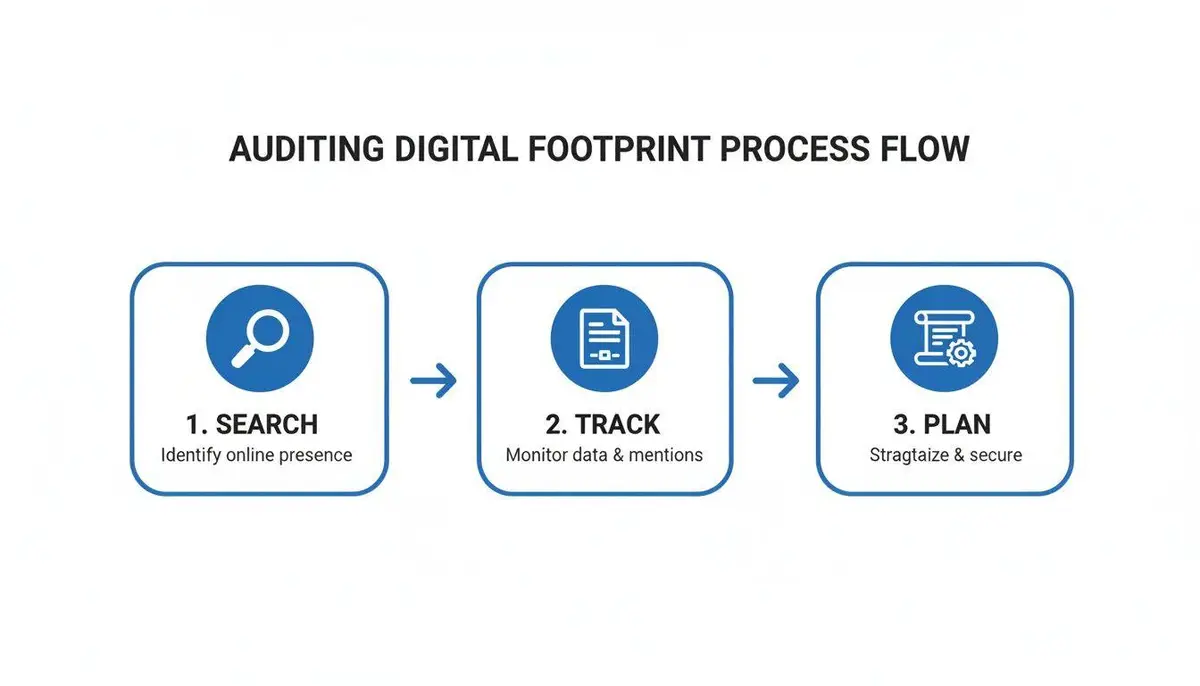
This workflow (Search, Track, Plan) is the blueprint that converts a chaotic liability into a managed project.
Tackling Data Brokers Head-On
Data brokers like Spokeo and BeenVerified derive revenue from selling your personal information. Their business model depends on your exposure; do not expect a cooperative or transparent opt-out process.
You must locate their opt-out procedures, typically concealed in the site’s footer under links such as “Do Not Sell My Information” or “Privacy.” Be prepared to provide an email and possibly a phone number for identity verification. We advise using a disposable email address created exclusively for this purpose to avoid furnishing them with additional data.
After submitting the request, they will issue a verification email. This is a critical step. You must click the verification link, or the request is void. Maintain a log of each submission and set a calendar reminder to verify profile removal in several weeks.
Removing Your Info from Other Websites
Your data is also scattered across old forums, forgotten blogs, and news articles. The strategy for each varies.
- Old Accounts: If you retain login credentials for an old social media or forum account, this is a straightforward success. Log in, delete personal content, and then locate the account deletion function.
- Content Posted by Others: This is more complex. For information on a small blog or forum, direct contact with the owner is the most effective approach. A polite but firm email is often sufficient.
- News and Corporate Sites: This is the most difficult challenge. News publications rarely remove articles they deem factual. A case may exist if the information is factually incorrect or constitutes doxxing, but this is an arduous battle.
It is also prudent to understand a company’s data retention policy. This document outlines how long they retain your data and can provide leverage for your removal request.
When submitting a removal request, you are not asking a favor. You are asserting your right to privacy. Remain professional but firm. Document every interaction: dates, names, and a summary of the communication. This paper trail is indispensable if escalation becomes necessary.
Cleaning Up Search Engines
Once information is removed from a website, the task is not complete. The data can persist in Google’s search results for weeks via a “cached” or saved version of the page. You must formally request that Google re-evaluate the page.
Use Google’s “Remove outdated content” tool. You provide the URL of the page where the information was previously located, which prompts Google to recrawl it. Once Google verifies the information is gone, it will update its search index.
In specific, severe cases, you can petition Google to de-index a page entirely, even if the website owner refuses to remove the content. These situations are reserved for serious policy violations:
- Doxxing: The sharing of your contact information with malicious intent.
- Non-consensual explicit images: Intimate photos or videos published without your consent.
- Sensitive financial or medical data: The exposure of your private health or financial records.
Securing a de-indexing order requires filing a formal legal request through Google’s system. You must build a robust case demonstrating how the content violates their policies. At this stage, most DIY efforts fail, and professional intervention becomes necessary. Navigating these legal requirements is complex and demands specialized expertise.
Advanced Legal and Technical Takedowns
You have sent the emails, completed the forms, and followed the prescribed procedures, yet the content remains online. This is the reality when dealing with uncooperative website owners, defamatory articles, or malicious actors. Polite requests have been ignored; it is time to escalate.
You have now moved beyond a simple cleanup project into a conflict that demands legal and technical firepower. This is the point where a DIY approach becomes untenable, and specialized counsel is required.
Deploying a DMCA Takedown Notice
One of the most potent instruments in this fight is a DMCA takedown notice. The Digital Millennium Copyright Act (DMCA) is the primary remedy when your copyrighted work has been stolen. It is not a universal solution for all unwanted content, but for copyright infringement, it is exceptionally effective.
This is the indicated course of action if an entity has published your original photographs, videos, or written works without authorization. Examples include a disgruntled former partner posting private photos to a blog or a competitor misappropriating your marketing videos. These are clear-cut cases for a DMCA claim.
To be effective, you must send a formal notice to the website’s hosting provider or its designated DMCA agent. A proper DMCA notice is a legal document, not a simple request, and must be correctly formatted. It must contain:
- Your contact information.
- A specific description of the copyrighted work that has been infringed.
- The exact URL where the infringing content is located.
- A statement of “good faith belief” that the use was unauthorized.
- A statement, made under penalty of perjury, that you are the copyright owner.
Hosting companies do not take these notices lightly. A valid notice transfers legal liability to them if they fail to act. To avoid this liability, most legitimate hosts will remove the content expeditiously.
When a Court Order Becomes Necessary
What about damaging content that does not constitute copyright infringement? Defamation, slander, and false reviews present a different legal challenge. Publishers of hit pieces, fake reviews, or mugshot websites are notorious for refusing to remove content without a legal mandate. In these situations, you must consider obtaining a court order.
A court order is the ultimate instrument of compulsion. It is a binding directive from a judge that forces a party, such as Google or a recalcitrant website owner, to take action. The most common objective is to secure a court order for de-indexing, which legally compels a search engine to remove the harmful URL from its results.
Obtaining a court order is a serious legal process. It requires filing a lawsuit, presenting evidence to substantiate your claim (e.g., defamation), and winning a judgment. This is not a DIY task and absolutely requires an attorney specializing in this domain.
We have handled cases where a single false article cost a business owner millions in lost opportunities. A court order was the sole means to have that article removed from Google Search, effectively erasing it from public view. For a more detailed examination, we have outlined the requisite steps for how to submit a Google legal request, which almost invariably requires a court order for enforcement.
The Rising Threat of Malicious Exposure
The need for these advanced strategies is becoming more acute. Doxxing, once a niche form of online harassment, has become a weapon in personal vendettas and political conflicts, blurring the line between digital attacks and real-world danger. Your address is leaked, and unsolicited packages arrive. Photos of your home are used in an extortion attempt. Strangers text you intimate details of your life. This is all fueled by data brokers who sell your complete personal profile for a nominal fee.
Even though most countries have some form of privacy legislation, enforcement is inconsistent, leaving high-profile individuals dangerously exposed. You can learn more about these emerging data privacy predictions and what they mean for you.
This escalation makes one thing clear: waiting for a crisis to manage your online presence is a losing strategy. The time to engage a professional is not when you feel overwhelmed. It is when the stakes are too high to risk a misstep. Retaining a firm that integrates legal strategy with technical execution is not an admission of defeat; it is a strategic imperative to protect your reputation and safety against a serious threat.
Establishing an Ongoing Defense Strategy

The removal of your personal information is a significant achievement, but it is not a final victory. The automated systems that scrape and sell your data are relentless and operate continuously. Without a forward-looking defense, your information will inevitably reappear online, negating your efforts.
You have cleaned a major spill, but the leak is not repaired. Your focus must shift from remediation to prevention. This requires a fundamental change in how you interact with the digital world to minimize the data trail you leave behind.
Minimizing Your Data Footprint
The most effective defense is to reduce the amount of information you share online through privacy-first habits and tools. This requires a conscious effort but is the most direct method to control your exposure going forward.
We recommend the following strategies to all clients:
- Use Email Aliases: Services like AnonAddy or SimpleLogin allow you to create a unique email alias for every website or service. If an alias is compromised in a data breach or spammed, you simply delete it, severing the link to your true identity.
- Mask Financial and Contact Information: When making online purchases or signing up for services, utilize virtual credit cards and temporary phone numbers. This prevents your real financial details and phone number from being stored in countless merchant databases, which are prime targets for hackers.
- Switch to Privacy-First Browsing: Abandon mainstream browsers and search engines in favor of options like Brave or DuckDuckGo. These are engineered to block the third-party trackers that build a behavioral profile of you for advertisers and data brokers.
It is a common miscalculation to believe a single, comprehensive cleanup confers permanent invisibility. Data brokers are constantly recrawling their sources and acquiring new data lists. Prevention is the only method to slow the cycle of your information’s reappearance.
The Inevitable Game of Cat and Mouse
Even with stringent preventative measures, some of your information will eventually surface. This is the reality of the data ecosystem. Data brokers exchange lists, websites are breached, and public records are digitized. For one person to manually police this constant influx of information is an unsustainable task.
This is where most individual privacy efforts fail. The sheer volume and velocity at which data propagates make manual monitoring impossible. You address one leak, and two more appear.
A significant gap exists between public concern over data privacy and actual preventative action. While a data removal service usage study shows that 81% of U.S. adults are worried about their data, a staggering 94% have never used a professional service to address it. This disconnect leaves a vast majority of individuals exposed, often unaware that a more effective solution exists.
The Case for Professional Monitoring
For any individual whose reputation, safety, or career is at stake, the only scalable solution is professional, automated monitoring. These systems act as digital sentinels, continuously scanning the clear, deep, and dark web for any new mention of your name, address, phone number, or other sensitive data.
When a new exposure is detected, an alert is generated in real-time. The removal process can commence immediately, often before the data has a chance to proliferate across other sites. This transforms your strategy from reactive damage control to proactive, continuous defense. Our firm’s approach to advanced reputation monitoring delivers this level of persistent surveillance, ensuring that once your digital footprint is sanitized, it remains that way.
Common Questions About Erasing Your Digital Footprint
Scrubbing your personal information from the internet is never as simple as clicking “delete.” It is a complex, ongoing process. Having guided numerous clients through this challenge, we find the same critical questions consistently arise. Here are direct answers to the most common inquiries.
Can I Ever Be 100% Anonymous Online?
No. True, 100% anonymity is a myth. The internet is architected to archive and duplicate information. Aiming for complete digital invisibility is an unrealistic strategy.
A more intelligent objective is what we term functional privacy. This is a state where your most sensitive data (home address, phone number, family members’ names) is exceedingly difficult for a casual observer or determined adversary to find. You remove the low-hanging fruit from data brokers and public search results. While a skilled forensic investigator might still uncover information, you have neutralized 99% of the real-world risk. The goal is not total erasure; it is control.
How Long Does This Actually Take?
The timeline is contingent upon the nature of the information being removed and the entity from which removal is requested.
Some large data brokers process opt-outs within 24-72 hours. Many others, however, will use the full 45 days or more permitted under privacy laws like the CCPA. For more serious matters, such as a false and defamatory news article, you are facing a protracted legal battle that will require counsel and can extend for months.
It is easy to become frustrated by a lack of immediate results. A successful removal campaign is a marathon, not a sprint. Patience is not merely a virtue in this context; it is a strategic necessity.
Should I Use an Automated Service or Hire a Specialist Firm?
Subscription-based “data removal” services have gained popularity and provide a basic layer of data hygiene. They are effective at dispatching bulk opt-out requests to common data brokers. While this is superior to taking no action, it is a superficial solution that leaves you vulnerable to more significant threats.
These automated tools are incapable of addressing:
- Defamatory content on news sites or blogs.
- Leaked private photos or videos.
- Complex takedowns that require a court order.
- Dark web monitoring for stolen credentials.
- Preventing the recurrence of your information on new sites.
This is the domain of a specialist firm like ContentRemoval.com. We do not simply run a script. We combine proprietary technology with legal expertise and persistent manual follow-up to address the entire problem. An automated tool is a surface-level cleaner; we are the deep-remediation crew that identifies the source of the problem and repairs the damage.
What If a Website Ignores My Request?
When a polite request is met with silence, you have reached the limit of DIY methods. This is a clear signal to escalate, and at this point, professional intervention is critical.
The next action involves applying direct legal pressure on the site owner. This could take the form of a formal cease and desist letter from an attorney, a DMCA takedown notice filed with their web host, or, in severe cases, a court order compelling content removal. It is one thing for an administrator to ignore an email; it is another to ignore a legal directive. The emails and contact forms you previously submitted now become vital evidence of your good-faith efforts to resolve the matter. Each situation requires a tailored approach, and knowing which legal instrument to deploy is key to achieving a resolution.
When automated tools and your own efforts are insufficient, you need specialists who understand how to navigate these complex challenges. The team at ContentRemoval.com has a proven record of getting damaging content removed when others could not. If your digital reputation is on the line, schedule a confidential assessment with our experts today.
Frequently asked questions
How do I get my address and phone number off people-search sites?
Find your profile on each broker, locate the opt-out link usually in the footer under Do Not Sell My Information or Privacy, submit the request using a dedicated email address, and click the verification link they send. Log every submission and check back in a few weeks, since the data often reappears through sharing agreements.
Can Google remove personal information from search results?
Yes, in specific cases. Google’s Remove outdated content tool refreshes results once the source page has changed, and Google will consider de-indexing pages that expose contact details with malicious intent, non-consensual intimate images, or sensitive financial and medical records. Those requests go through Google’s formal legal process.
Is an automated data removal service enough?
It covers the basic layer by sending bulk opt-outs to common brokers. It cannot handle defamatory articles, leaked private photos, takedowns that need a court order, dark web credential monitoring or stopping the same data returning on new sites, which is where specialist work begins.