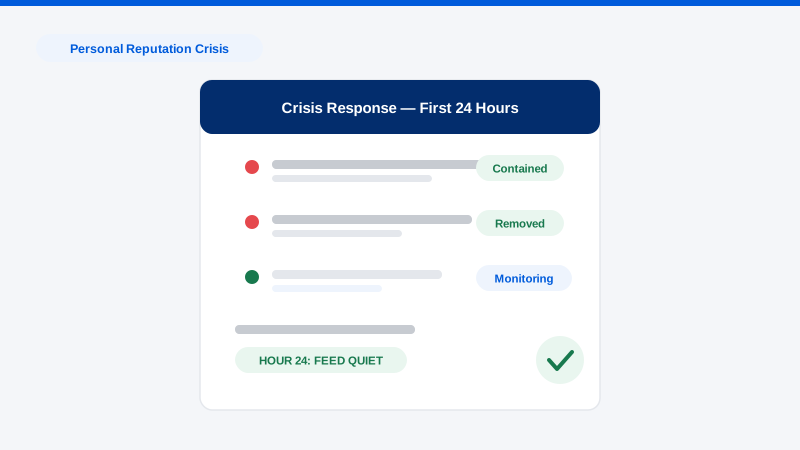
A personal reputation crisis (a damaging article, a viral post naming you, an accusation spreading through your industry, leaked private material, a search page that turned hostile overnight) is a containment problem before it is a removal problem. What you do in the first 24 hours determines how far the damage spreads, how long it persists in search results, and how expensive it is to fix. This page gives you the immediate checklist we walk every crisis client through, explains the mistakes that make crises worse, and describes what a professional crisis engagement actually does. If you are in the middle of one now, read the checklist, then talk to us, the free scan below is answered fast and handled confidentially.
What counts as a reputation crisis?
The defining feature is velocity: content about you that is actively spreading or about to. Common triggers we handle include a negative news article or blog post that has started ranking for your name; a viral social media post or thread accusing you of something; leaked private messages, photos, or videos; a public dispute (a lawsuit, a termination, an arrest) generating coverage; coordinated harassment or a review-bombing campaign; and impersonation accounts spreading false statements in your name. What these share is that waiting makes them worse. Content that sits unchallenged gets indexed, screenshotted, mirrored, and cited, and every day of inaction narrows the removal and suppression options available later.
The first-24-hours checklist
- Preserve everything before you react. Screenshot the content, the URLs, the accounts posting it, timestamps, and share counts. If material is later deleted, edited, or reposted, this evidence supports takedown requests and any legal action. Do this first. It takes twenty minutes and cannot be done retroactively.
- Do not engage publicly. Replying, arguing, or posting a defensive statement in the thread is the single most common self-inflicted wound. It feeds the algorithm, extends the story’s life, and frequently becomes part of the story. Silence in the first hours costs nothing; a bad response is permanent.
- Map the actual exposure. Search your name in an incognito window: web, images, news, videos. List every damaging URL and where it ranks. The crisis you feel and the crisis a stranger googling you sees are often different sizes, and strategy follows the real footprint, not the panic.
- Lock down your accounts and surface. Set personal social profiles to private, enable two-factor authentication everywhere, and pause scheduled posts. Attackers and journalists both mine your own accounts for material during a crisis.
- Identify what is removable versus answerable. Content that violates platform policy (harassment, doxxing, intimate images, impersonation) or law (defamation, copyright) can be attacked directly. Accurate coverage of a real event usually cannot. It has to be contained, contextualized, and outranked. Misclassifying these wastes the window: our news article removal page explains what is realistic against press coverage.
- Get professional eyes on it before you act. One hour with someone who has managed hundreds of these prevents the two classic errors: overreacting to something that would have died in a day, and underreacting to something that will define your search results for years.
Get a Free, Confidential Exposure Scan
What a professional crisis engagement does
When we take on a crisis, the first phase is containment: policy and legal takedown filings against everything that qualifies, de-indexing requests to search engines where grounds exist, direct escalation to platform trust-and-safety contacts, and rapid suppression work so that people searching your name find accurate, controlled sources rather than the attack. The second phase is resolution: pursuing durable removal of the core damaging URLs, the work described on our process page, and dismantling the mirrors and reposts that accumulated. The third phase is defense: monitoring for re-emergence and strengthening your owned presence so the next incident lands on a fortified search page instead of an empty one.
For clients with ongoing exposure (executives, public figures, professionals whose names are searched daily) this third phase is where a crisis retainer matters. Our Protection Plans exist for exactly this: continuous monitoring, a fixed allocation of removal applications each month, and a team that already knows your situation on the day something breaks. The difference between calling your own crisis team at hour one and finding a vendor at day five is usually the difference between an incident and a permanent search result. Our reputation management service covers the sustained, non-crisis side of the same discipline.
Honest expectations in a crisis
Speed claims in this industry deserve skepticism, so here is the truth. Policy-violating content on major platforms can come down in hours to days once escalated correctly. Defamatory or infringing content on independent sites takes days to weeks. Accurate news coverage of real events is rarely removable and must be handled through suppression and response, months, not days, and nothing legitimate is guaranteed in advance of assessment. What immediate professional response reliably delivers is containment: the spread stops compounding, the removable pieces start coming down, and you stop making unforced errors. Clients who came to us mid-crisis, see the defamation case study for one, consistently say the same thing: the turning point was having a plan instead of a panic.
Frequently asked questions
Should I respond publicly to false accusations?
Almost never in the first 24 hours, and never in the original thread. A response amplifies the content and often extends the story. If a statement is ultimately warranted, it should be issued once, in a controlled channel, after the removable content is being handled, not improvised while the post is spreading.
Can you remove a viral post about me?
If it violates platform policy (defamation, harassment, doxxing, intimate images, impersonation) yes, often quickly, and we pursue every repost and mirror as well. If it is opinion or accurate reporting, removal is unlikely and the strategy shifts to containment and suppression. An assessment tells you which case you are in within hours.
How fast can you start?
Crisis inquiries are prioritized, typically same-day assessment and immediate first actions once engaged. If your situation involves threats, extortion, or leaked intimate material, our 72-hour emergency removal service is the fastest path.
What does crisis management cost?
Targeted removals are priced per link and quoted in writing after the free scan; active crisis retainers run through Protection Plans, scaled to the monitoring and removal allocations involved. The free scan comes first regardless, so scope and cost are known before you commit to anything.
What if the story is true?
Then honesty matters most: true, newsworthy content usually cannot be removed, and firms promising otherwise will burn your money and the window. The realistic plan is removing what does violate policy or law, building accurate content that provides context, and suppressing the damage below it. We will tell you this plainly at assessment.
A reputation crisis rewards the person who acts correctly, not just quickly. Take the free, confidential exposure scan. We will map the real damage, tell you what is removable, and give you the plan for the next 72 hours. How we execute is documented on our process page.